


When an older adult you love transitions to using a wheelchair, they may experience a mix of emotions such as fear, embarrassment, anger, and despair. Your support and reassurance can make a significant difference during this challenging time. Listen and Validate Emotions It’s essential to listen without trying to “fix” the situation or appearing condescending. […]

In the quest for a healthy lifestyle, protein is often heralded as the cornerstone of a balanced diet. Not only is it crucial for muscle repair and growth, but it also plays a vital role in many bodily functions, including enzyme production, immune system support, and hormone regulation. Incorporating high-quality protein sources into your diet […]
Diabetes, a chronic condition affecting millions worldwide, is often associated with a myriad of health complications. Among these, the heightened risk of stroke stands as a particularly grave concern, especially for women. Understanding the intricate relationship between diabetes and stroke risk is crucial for effective prevention and management strategies. The Diabetes-Stroke Link Research has consistently […]
No, not because Valentines Day is this month! It is because we all need to be more aware and take care of that important muscle, our heart! According to the Centers for Disease Control and Prevention (CDC) leading risk factors for heart disease and stroke are high blood pressure, high low-density lipoprotein (LDL) cholesterol, diabetes, […]

The Christmas season is a time of joy, warmth, and togetherness, and for many families, it’s a time to come together and celebrate with loved ones. However, for those who are receiving home care, the holiday season can bring unique challenges and opportunities. In this article, we will explore the significance of home care during […]
Your heart is one of the most vital organs in your body and keeping it healthy is crucial for a long and fulfilling life. To assess and monitor your heart health, you need to be aware of three key numbers that provide valuable insights into the state of your cardiovascular system. These numbers can help […]
A recent investigation published in the online edition of Neurology®, the medical journal of the American Academy of Neurology, suggests a potential link between sleep disturbances and an increased susceptibility to strokes. The study, which delved into sleep patterns, snoring, and sleep apnea, reveals intriguing associations but doesn’t establish a causal relationship. According to the […]

Did you know standing for just one extra hour a day greatly reduces the risk of disability, especially for retirees?1 Sedentary behavior, or sitting, is a very strong risk factor for disability and limitations in activities of daily living (ADL). ADL limitations are those that affect a person’s ability to complete self-care tasks without assistance […]
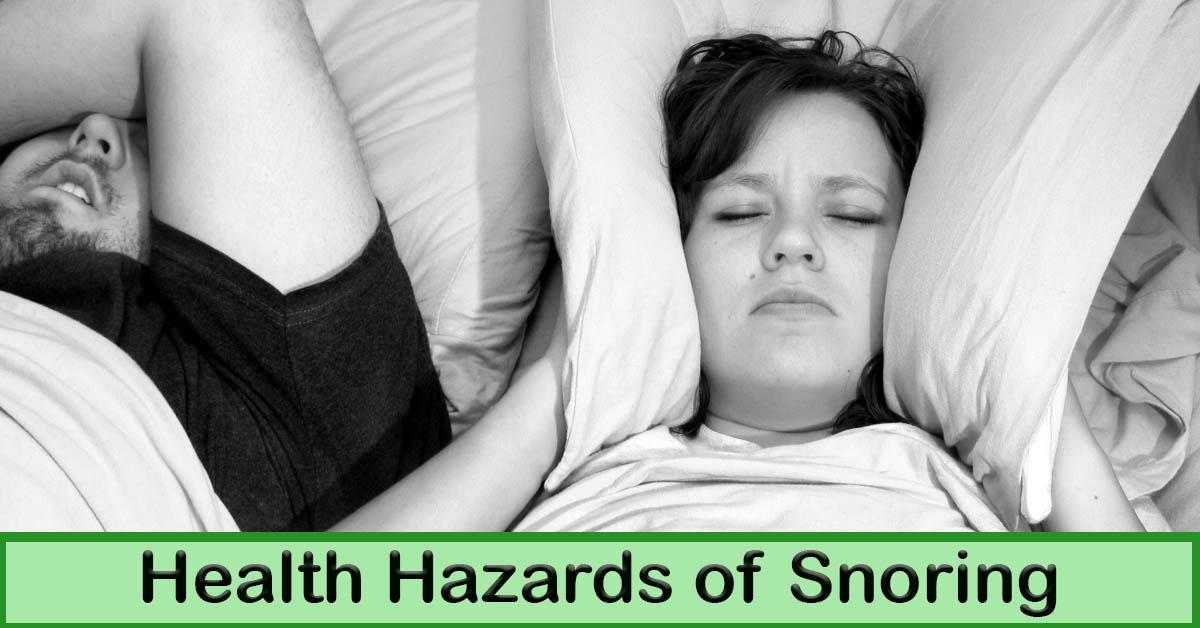
Snoring is a common sleep-related issue that can have various health hazards, both for the snorers and their sleep partners. Here are some potential health risks associated with snoring: Snoring often leads to fragmented and poor-quality sleep, both for the snorer and their bed partner. The frequent interruptions in breathing can cause the snorer to […]

Timing your water intake can have various effects on your body and overall well-being. While there is no one-size-fits-all approach, here are some considerations for optimizing the timing of your water intake: Morning hydration: Start your day by drinking a glass of water as soon as you wake up. This helps to replenish the fluids […]
